
Dani Treweek on the ‘Gift of Singleness’
On Tuesday 17th March we are hosting a conversation with Rev'd Dr Dani Treweek, theological researcher and author of Single Ever After:A Biblical Vision for the Significance of Singleness.
Single Ever After paints a vibrant, empowering vision of singleness, and challenges some of the popular misconceptions surrounding singleness, marriage and meaning. One of the more misunderstood ideas on the topic of singleness in the Bible is the ‘gift of singleness’ – what does that really mean?
Dani devotes a whole chapter in her new book to unpacking the ‘gift of singleness’. She kindly shares some insights below on what it was like to explore this topic, originally published on her website. If you have any questions, we’d love to see you at our event on 17th March where you can ask Dani in person.
This event has now taken place but you can watch the recording online
When the Gift Feels More Like a Diagnosis
Inside Chapter Three of 'Single Ever After', originally published on danielletreweek.com
This was one of the hardest chapters to write—not because the content was confusing, but because it’s so painfully familiar. I know that when someone asks me, “Do you think I have the gift of singleness?” beneath the question is a knot of hopes, doubts, disappointments, and even quiet shame.
For some, it’s a question of calling: “How do I know what God wants for—and from—me?”. For others, it’s a whispered fear: “Am I meant to be alone forever?” And often it’s a cry for permission: “Is it okay if I don’t feel okay with this?”. For some singles, the phrase offers relief. For many others, it feels like a spiritual diagnosis: if you’re not content, maybe you’re not called. If you struggle with singleness, maybe you’re just not spiritual enough.
This chapter names that anxiety—and pushes us to ask a better question: what does Scripture really say about the (so-called) ‘gift of singleness’?
It’s a fair bet that any single Christian beyond the bloom of young adulthood will be familiar with the phrase “the gift of singleness”. Books, articles and sermons on singleness (and marriage) often refer to it as a kind of self-evident reality.
The same single Christian may also find themselves the subject of conversation—or, more frequently, speculation—about whether or not they have been “gifted” for singleness. The 25-year-old single man who has never been in a long-term relationship is quizzed about whether he has “the gift” or is, instead, a commitment phobe. The 37-year-old unmarried woman who longs to be a wife wonders where her “gift” has gone, even as the older ladies at church are eager to assure her that “there is a man out there for you yet, my dear!” Perhaps the 50-year-old active on every ministry roster at your church is looked on approvingly for putting their “gift of singleness” to good use. At the same time, their counterpart whose life circumstances don’t offer them the same level of flexibility is seen to be squandering theirs.
Single Ever After (p.53-54)
The more I explored Paul’s words in 1 Corinthians 7:7-8, the more I realised how far we’ve strayed from their original meaning. We’ve taken his straightforward language about different gifts and built a whole theology of hierarchy, pressure and even shame around it.
It’s a theology that burdens single Christians with expectations that we would never expect of married Christians. Be content all the time. Be grateful all the time. Be fruitful all the time. And if you’re not, then why aren’t you married? Why are you dragging your feet? Why are you rebelling against God’s will for your life? What’s wrong with you?
None of this is what’s on Paul’s mind in 1 Corinthians 7:7-8. He isn’t talking about a rare booster shot of spiritual empowerment for a select few. He’s talking about the gift of singleness itself. And here’s the kicker: the goodness of that gift isn’t how dependent on how you feel about it. The gift is the life God has given you today—and his grace that he promises has and will meet you in the midst of it.
This chapter was my attempt to untangle the shame and spiritual confusion many carry around the so-called “gift” and to present a far more faithful and freeing biblical truth instead.
You can read more about the ‘gift of singleness’ in Dani’s new book Single Ever After– or watch the recording from our online event on Tuesday 17th March (8pm GMT)
About Single Ever After:
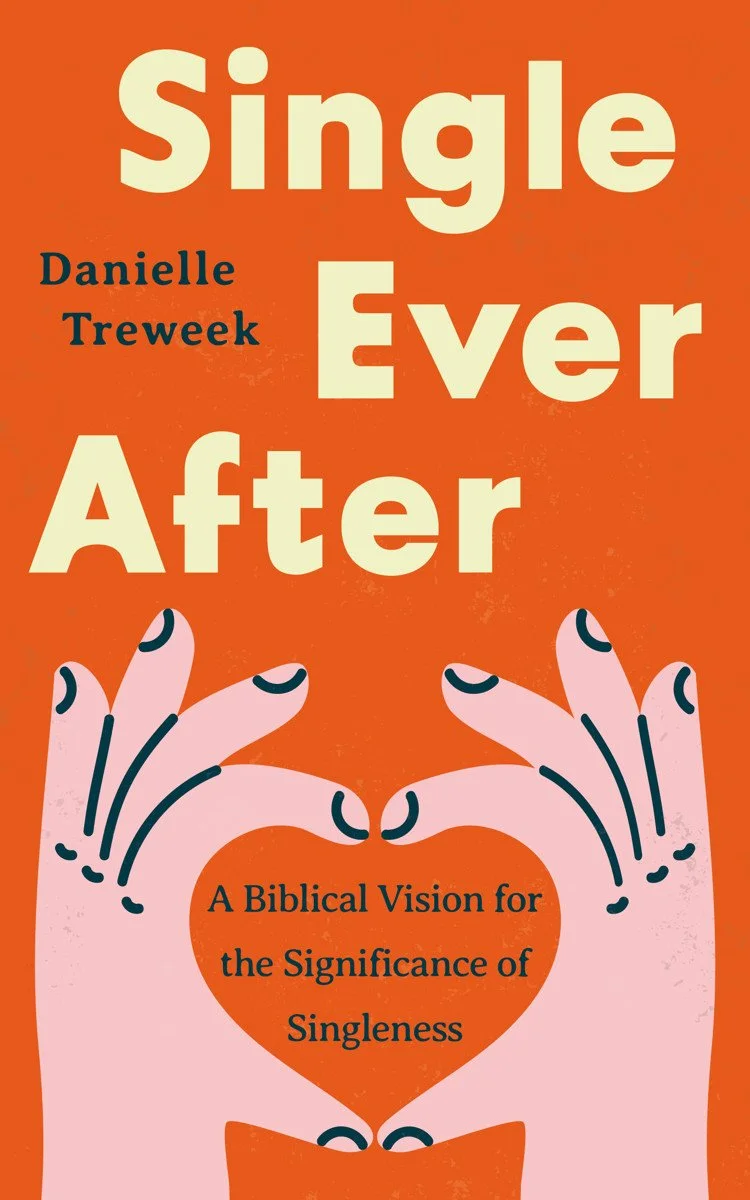
Singleness is often viewed as a “plan B” by our culture and the church, and sometimes by single people who feel they’re missing out on their “happy ever after”. Dani Treweek offers a thought-provoking reframing of popular conversations around singleness.
Rich, nuanced and witty, Single Ever After is an uplifting read that debunks some of the misconceptions surrounding singleness, marriage and meaning. By diving deeply into key Bible passages, it answers questions such as “Does my singleness have a purpose?” “What actually is the gift of singleness?” and “Is marriage the only solution to feeling lonely?”
Reorienting you to the biblical significance of singleness, Treweek shows how the abundant life Jesus promises his followers applies to all believers. She highlights how both marriage and singleness serve as meaningful signposts to our eternal future: one where together we'll be married to Christ while as individuals we'll be "single ever after".
Whatever your relationship status and however you currently feel about it, this biblical perspective on singleness will encourage and empower you. Married Christians will also learn more about how to help make church a community where single brothers and sisters thrive.
Single Ever After: A Biblical Vision for the Significance of Singleness is available to purchase online here
About Dani Treweek

Dani is a post-doctoral theological researcher, author, and speaker with a focus on biblical singleness, sexuality, theological retrieval, and worldview formation.
Dani is the author of The Meaning of Singleness (IVP Academic, 2023) and Single Ever After (The Good Book Company, 2025). She is also the founding director of the Single Minded Ministry.
She is an ordained Anglican deacon who serves as the Sydney Anglican Diocesan Research Officer and as a member of the Diocesan Doctrine Commission and of the Australian Anglican General Synod.
She writes for publications such as Christianity Today, ABC Religion & Ethics, and The Gospel Coalition Australia, and speaks frequently at conferences, events and on podcasts. You read more about her work here.